
Choosing a Treadmill
How to Choose the Right Treadmill for Your Home Gym
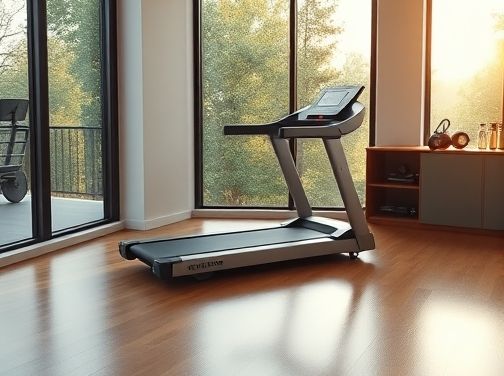
A treadmill is one of the most versatile pieces of equipment you can add to a home gym, offering cardiovascular training, interval workouts, and low‑impact running options. Yet with so many models on the market, selecting the perfect machine can feel overwhelming. Below are key considerations that will help you narrow down your choices and invest in a treadmill that fits both your fitness goals and living space.
1. Define Your Primary Use
Your workout habits dictate the features you need most. Ask yourself:
- Running vs Walking? If you plan to run frequently, look for a durable motor (3.0–4.0 CHP) and a larger deck (at least 20 inches).
- Interval Training? A treadmill with programmable incline/decline and speed control is essential.
- Low‑Impact Workouts? Look for cushioning systems such as built‑in shock absorption or adjustable footpad surfaces.
2. Motor Power & Deck Size
The motor’s horsepower (CHP) determines how smoothly the treadmill runs and its longevity under heavy use. For casual walkers, a 2.0–3.0 CHP motor suffices; runners need 3.5 + CHP.
Deck length influences stride comfort. A 20‑inch deck accommodates most adults for running, while a 22‑inch deck is ideal for taller users or those who prefer longer strides. Deck width should be at least 18 inches to prevent foot slapping.
3. Incline and Decline Features
Incline increases calorie burn and engages different muscle groups. A range of 0–15% is standard for home models, while commercial treadmills can go up to 25%. Decline (down to –5%) adds variety but is less common.
4. Speed Range
A maximum speed of at least 10 mph is adequate for most runners. For competitive athletes or high‑intensity interval training, consider a treadmill that tops out at 12–15 mph.
5. Build Quality & Warranty
- Frame Material: Steel frames offer sturdiness; aluminum models are lighter but may be less durable.
- Warranty: Look for a minimum 10‑year motor warranty and at least 5 years on the deck. This signals manufacturer confidence in durability.
6. Space & Portability
Measure your available area: length, width, and height (including any obstructions). Many home treadmills come with wheels for easy movement. Folding designs save space when not in use but may compromise stability during high‑intensity workouts.
7. Technology & Connectivity
- Display: LCD screens show speed, time, distance, heart rate, and calories.
- Apps & Programs: Built‑in workout programs or compatibility with fitness apps (e.g., Strava, MyFitnessPal) can keep you motivated.
- Bluetooth / Wi-Fi: Enables data syncing to smart devices for progress tracking.
8. Budget Considerations
Home treadmills range from $700 to over $5,000. Allocate funds based on priority features: motor power and deck size often justify a higher price tag, while premium displays or app integration can be optional for many users.
9. Test Before You Buy (If Possible)
If you’re purchasing from a showroom, spend at least 10 minutes walking or jogging on each model to gauge comfort and noise levels. Pay attention to:
- Noises: A quiet motor is essential for shared living spaces.
- Cushioning: Test the shock absorption by running a short interval.
- Ease of Use: Verify that speed and incline adjustments are smooth and responsive.
10. Final Checklist
- Define primary use (running, walking, HIIT).
- Select motor power (≥3.0 CHP for runners) and deck size (20–22 inches).
- Confirm incline range (0‑15%) and speed capability (≥10 mph).
- Verify build quality, warranty, and frame material.
- Measure room dimensions; consider folding or wheeled models.
- Choose desired technology: display, connectivity, app support.
- Set a realistic budget and compare models within that range.
- Test the treadmill in person if possible before finalizing purchase.
Choosing the right treadmill for your home gym is an investment in long‑term health. By aligning machine specifications with your workout habits, space constraints, and financial goals, you’ll find a treadmill that delivers performance, durability, and satisfaction for years to come.
Choosing a Treadmill
Key Features to Look for When Buying a Treadmill
1. Motor Power and Reliability
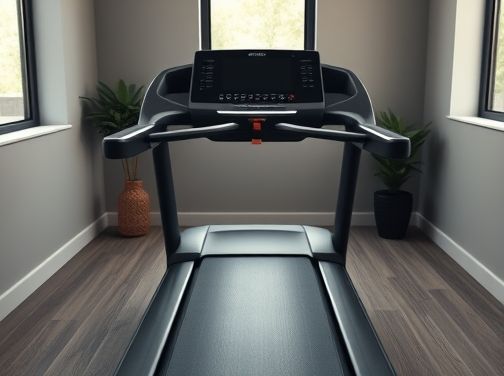
- A treadmill’s motor is its heart. For casual walkers, a 2‑horsepower (HP) motor may suffice, but serious runners or users who plan to run at high speeds should consider at least 3–4 HP.
- Look for models with sealed gearboxes and a reputable brand warranty that covers the motor for 5+ years. A quiet, belt-driven motor often signals higher quality than a noisy, direct‑drive one.
2. Running Surface Size
- The deck should be wide enough to accommodate your stride; 22–24 inches is standard for most adults.
- If you have limited space, measure the room first. Some manufacturers offer “compact” models with a narrower surface but maintain the same safety features.
3. Speed and Incline Range
- A speed range of at least 6–10 mph allows for both brisk walking and moderate running.
- Inclines up to 15–20% are ideal for hill training, but if you only need a flat walk, a lower incline is fine. Check that the incline mechanism has smooth transitions and holds position reliably.
4. Console Features and Connectivity
- Modern treadmills now include touchscreens, heart‑rate integration, and Bluetooth or Wi‑Fi connectivity for apps like Peloton, Zwift, or Garmin Connect.
- Consider whether you want built‑in speakers, a USB charging port, and the ability to sync with fitness trackers.
5. Build Quality and Safety Mechanisms
- Sturdy frame construction—often steel or aluminum alloy—ensures stability during high-intensity workouts.
- Look for a reliable emergency stop button, non‑slip deck surface, and a safety key that keeps the motor from starting accidentally.
6. Cushioning and Noise Level
- A well‑cushioned belt reduces impact on joints, especially important if you’re running long distances or have knee issues.
- Noise rating is critical for apartment living; a treadmill rated below 70 dB is considered quiet enough for most households.
7. Weight Capacity and Dimensions
- Confirm the machine’s weight limit meets or exceeds your body weight plus any additional equipment you plan to use (e.g., weighted vests).
- Check overall dimensions, including folding capabilities if storage space is a concern.
8. Warranty and Customer Support
- A comprehensive warranty that covers parts, labor, and motor for several years can save future headaches.
- Research the manufacturer’s reputation for customer service—prompt repairs and responsive support are essential when dealing with bulky equipment.
9. Price vs. Value Balance
- High-end treadmills may offer advanced features, but mid‑range models often provide excellent performance at a more affordable price point.
- Use online reviews and comparison tools to evaluate how each feature translates into real-world usability.
Final Thoughts
Selecting the right treadmill involves balancing your fitness goals, living space, and budget while ensuring safety and durability. By focusing on motor power, deck size, speed/incline options, and quality build, you’ll find a machine that supports both short walks and marathon training alike.
Choosing a Treadmill
Budget vs. Performance: Finding the Best Value Treadmills
The Cost‑Performance Dilemma
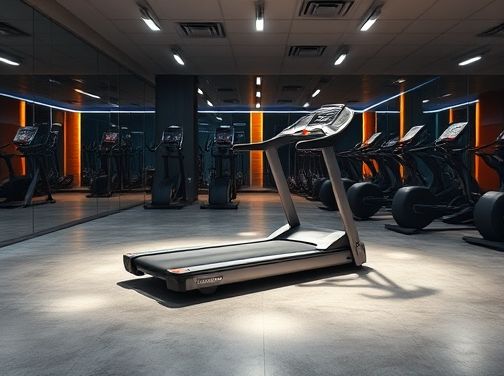
When shopping for a treadmill, buyers often face two primary considerations: upfront cost and long‑term performance. A lower price tag can be enticing, but it may come at the expense of durability, features, or workout quality. Conversely, premium models promise advanced technology and robust construction, yet they require a larger investment. The goal is to strike a balance—identifying a machine that delivers reliable performance without breaking the bank.
Key Performance Metrics
To evaluate treadmills objectively, focus on these core metrics:
- Motor Power (HP): A 2.5–3.0 HP motor is adequate for most home users; anything below may struggle with incline or heavier users.
- Belt Size: A minimum of 55 inches long by 20 inches wide provides comfortable stride length and reduces impact on joints.
- Incline Range: Adjustable from 0% to at least 15% simulates hill training and boosts calorie burn.
- Speed Range: A maximum of 10–12 mph allows for jogging, running, or interval training.
- Warranty & Support: Look for a minimum 2‑year motor warranty and 1‑year parts coverage.
Budget-Friendly Models that Pack a Punch
Several treadmills in the $700–$1,200 range combine solid build quality with essential features. Below are three standout options:
- NordicTrack T 6.5 S – Priced around $899, this machine offers a 2.75 HP motor, a 55×20 belt, and 15% incline. Its iFit compatibility adds guided workouts without extra cost.
- ProForm Pro 2000 – For about $749, the Pro 2000 delivers a 3.0 HP motor and a 55×22 belt. It includes a built‑in heart rate monitor and Bluetooth connectivity for music streaming.
- Sunny Health & Fitness SF-T4405 – At roughly $599, this treadmill has a 2.5 HP motor but compensates with a 50×20 belt and an incline range up to 10%. It’s ideal for beginners who need reliability without frills.
Mid‑Range Machines That Justify Their Price
If you’re willing to spend $1,200–$2,000, you’ll unlock advanced features such as:
- Full‑size touchscreens for interactive workouts.
- Advanced cushioning systems that reduce joint impact.
- Higher motor power (up to 3.5 HP) for serious runners.
- More robust frame construction with steel or aluminum framing.
Examples include the Precor TRM 225 and the Life Fitness T7, both renowned for their durability and performance consistency.
Evaluating Value: Not Just Price per Dollar
True value emerges when a treadmill’s features, build quality, and customer support align with your fitness goals. Consider these steps:
- Define Your Goals: Are you training for distance running, weight loss, or general conditioning? Choose a machine that supports those objectives.
- Read Independent Reviews: Look beyond manufacturer claims; real‑world user feedback reveals wear points and maintenance needs.
- Test in Store (If Possible): Feel the belt smoothness, motor noise, and incline mechanics before buying.
- Check Return Policies: A generous return window can mitigate risk if a treadmill doesn’t meet expectations.
Conclusion
The intersection of budget and performance is where smart buyers thrive. By focusing on essential metrics, exploring reputable mid‑price models, and rigorously assessing long‑term value, you can select a treadmill that delivers reliable workouts without overspending. Remember: the best treadmill is one that stays with you through every stride, offering durability, versatility, and an enjoyable training experience.
Choosing a Treadmill
Safety and Comfort: What Makes a Treadmill User‑Friendly?
Why Safety and Comfort Matter
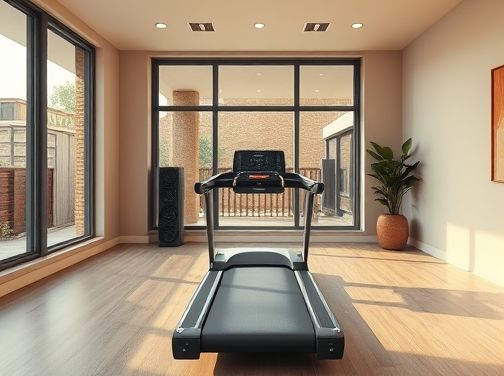
A treadmill is more than just a piece of exercise equipment; it’s a portal to consistent fitness. The best models combine robust safety features with ergonomic comfort, ensuring users can train confidently and efficiently.
Key Safety Elements
- Emergency Stop Button: A clearly marked button that instantly shuts the motor off is essential for preventing accidents during sudden stops or loss of balance.
- Secure Handrails: Adjustable handrails provide stability without restricting natural arm movement, reducing strain on shoulders and wrists.
- Slip‑Resistant Deck: A textured surface improves traction, especially when perspiring. Many manufacturers now use micro‑groove or rubberized decks to keep feet planted securely.
- Automatic Speed Reduction: Built‑in sensors detect rapid speed changes and slow the belt automatically, giving users time to react if they lose footing.
- Clear Display & Audio Alerts: Visual cues for speed, incline, heart rate, and audible warnings alert users before thresholds are exceeded.
Comfort Features That Enhance Performance
- Cushioning Technology: Modern treadmills incorporate mid‑deck cushioning or shock‑absorption plates that reduce impact on joints, making longer sessions feel lighter.
- Wide Deck Width: A deck width of at least 20 inches accommodates various stride lengths, allowing both runners and walkers to maintain natural gait patterns.
- Adjustable Incline & Decline: Being able to simulate hills or flat terrain adds variety while preventing overuse injuries. Declines (down to –10%) also help target glutes and hamstrings.
- Ergonomic Console Design: A console that’s easy to read from a seated position encourages users to monitor metrics without straining their neck.
- Quiet Motor: Low‑noise motors keep the environment calm, which is especially important in shared living spaces or office gyms.
Integrating Technology for User‑Friendly Experience
Many contemporary treadmills now feature integrated heart‑rate monitors, Bluetooth connectivity, and pre‑loaded workout programs. These tech elements allow users to track progress effortlessly while receiving real‑time feedback on effort levels. The combination of safety sensors with user‑centric software creates a seamless training loop that adapts to each individual’s needs.
Choosing the Right Model
When evaluating treadmills, consider these criteria:
- Weight Capacity: Ensure it supports your body weight plus an extra margin for safety.
- Motor Power: A motor rated between 3.0 and 4.5 horsepower is ideal for both walking and running.
- Warranty & Support: Look for at least a three‑year warranty on the frame and five years on the motor.
- User Reviews: Check feedback regarding durability, noise levels, and customer service responsiveness.
In summary, a user‑friendly treadmill balances engineered safety mechanisms with thoughtful comfort enhancements. By prioritizing these aspects, you’ll not only protect yourself during workouts but also foster a motivating environment that encourages consistent exercise habits.
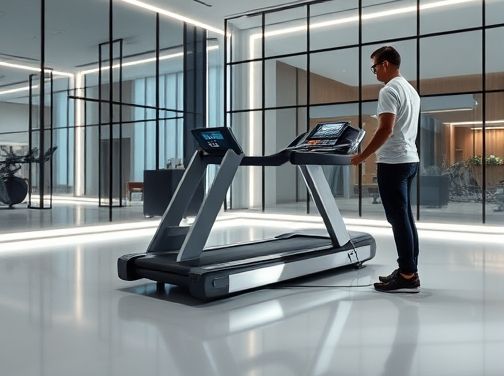
Choosing a Treadmill
A treadmill is one of the most versatile pieces of home gym equipment you can own. It offers convenience, flexibility, and an excellent cardiovascular workout—all in one compact machine. However, to truly reap its benefits over years of use, you need to keep it running smoothly. Below are essential maintenance tips that will extend your treadmill’s lifespan and ensure a safe, efficient workout every time.
Maintenance Tips to Keep Your Treadmill Running Smoothly
Whether you’re brand new to treadmills or a seasoned user, regular upkeep is key. The following checklist covers everything from daily cleaning to periodic professional servicing.
- Daily Cleaning: Wipe down the deck, console, and surrounding area with a damp microfiber cloth after each session. This removes sweat, dust, and oils that can degrade components.
- Check Belt Tension: A properly tensioned belt reduces strain on motors and prevents wobbling. Every two weeks, lift the belt at its midpoint; it should flex about an inch (2–3 cm). Adjust using the tensioning screw or lever as recommended by your model’s manual.
- Inspect Deck for Wear: Look for grooves, cracks, or uneven surfaces. A warped deck can cause belt slippage and increased wear on the motor. Replace the deck if it shows significant damage.
- Lubricate the Drive Belt: Most treadmills require a light oil application to the drive roller. Use manufacturer‑approved lubricants, applying a thin film once every month or after several hundred miles of use. Avoid over‑lubrication—excess oil attracts dust and can clog bearings.
- Test Electrical Connections: Periodically check that all cables are secure and free from fraying. Look for scorch marks on the console or power cord, which could indicate overheating. If you notice any damage, discontinue use until a qualified technician repairs it.
- Update Firmware & Software: Modern treadmills often include smart features that rely on firmware updates. Check the manufacturer’s website or app for updates to keep your console running smoothly and securely.
- Keep the Surrounding Area Dry: Moisture can damage motors, electronics, and bearings. Use a dehumidifier in damp climates or place absorbent desiccants near the treadmill if humidity is high.
- Perform a Motor Test: Run the treadmill at low speed for five minutes while listening for unusual noises—such as grinding or rattling. If you hear anything odd, contact service support before further use.
- Inspect Safety Key & Emergency Stop: Ensure the safety key stays firmly in place and that the emergency stop button functions correctly. A malfunctioning safety feature can lead to accidents during intense workouts.
- Professional Servicing Every 12–18 Months: Even with diligent home maintenance, a professional technician should examine your treadmill annually. They’ll disassemble critical components, inspect bearings, replace worn parts, and calibrate sensors for optimal performance.
Why These Tips Matter
Treadmills are complex machines that rely on precise mechanical and electrical systems working in harmony. Neglecting routine care can lead to:
- Reduced motor efficiency and higher energy consumption.
- Increased wear on belts, decks, and bearings, resulting in costly replacements.
- Safety hazards such as sudden belt slippage or console malfunctions.
- Shortened overall lifespan of the machine—potentially losing a decade’s worth of investment.
By following this maintenance checklist, you’ll enjoy smoother operation, fewer breakdowns, and safer workouts. A well‑maintained treadmill not only protects your health but also preserves the value and reliability of one of the most essential pieces of your home gym.